Hypoallergenic Pregnancy Pillows: Are Organic Materials Worth It?
Organic and hypoallergenic pregnancy pillows are becoming the top choice for expectant mothers who prioritize comfort, safety, and sustainability. While finding a comfortable sleeping position is a common struggle, these health-conscious cushions offer a toxin-free solution to nightly aches. But are they truly worth the higher price tag? Let’s explore the benefits.
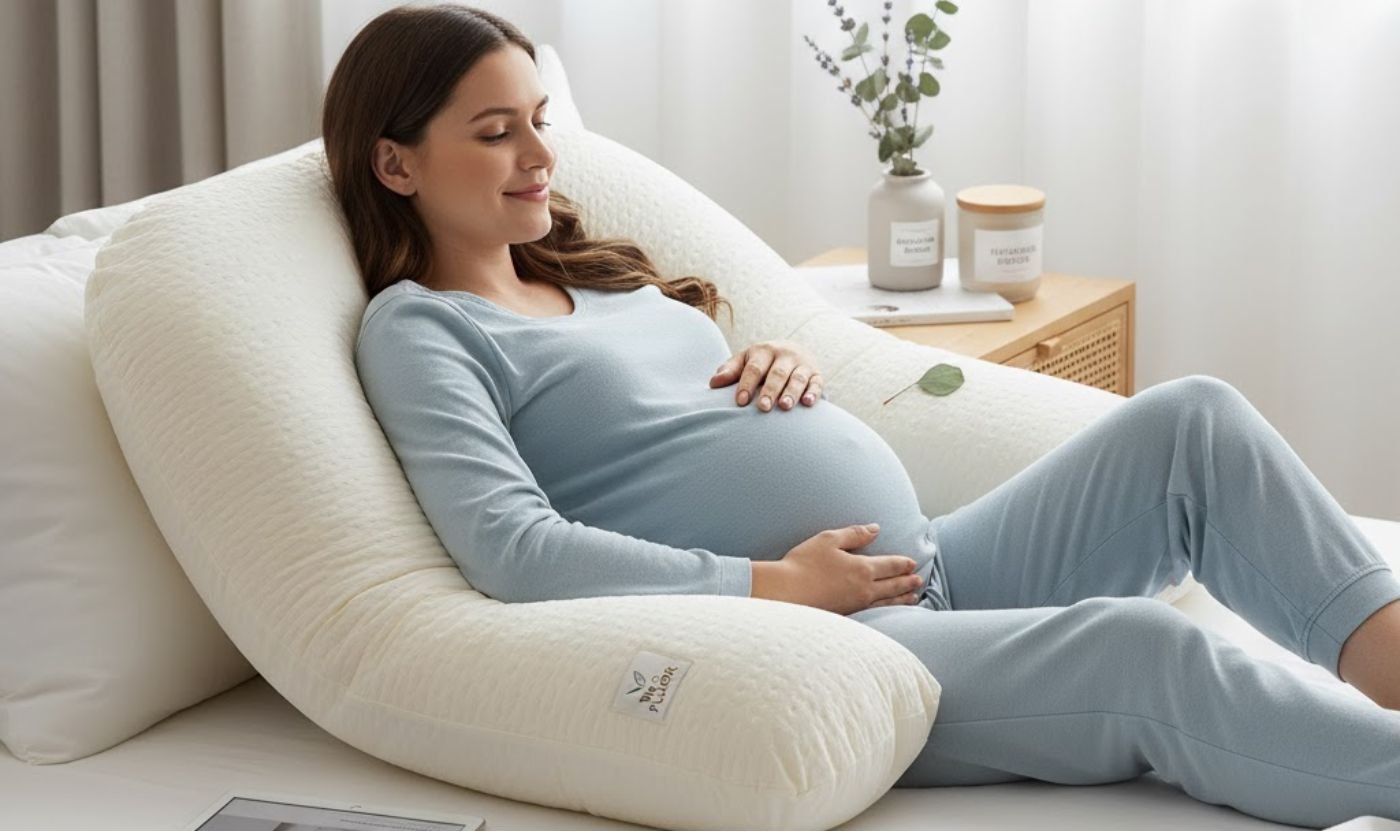
A hypoallergenic pregnancy pillow is not just a soft accessory; it’s a medical-grade choice for sensitive skin. These pillows are crafted from natural materials like organic cotton or bamboo, free from harmful dyes, flame retardants, and synthetic chemicals. When you buy organic pregnancy pillows, you reduce strain on your back while minimizing exposure to hidden allergens.
What Exactly Makes a Pillow “Organic”?
To earn the organic label, materials must come from farms that strictly avoid pesticides, chemical fertilizers, and GMOs. Certified organic cotton, natural latex, and wool are the gold standards for filling. Always look for certifications like GOTS (Global Organic Textile Standard) or OEKO-TEX, which ensure the pillow meets global safety and environmental standards.
The Science Behind Hypoallergenic Fabrics
Hypoallergenic materials are engineered to repel common irritants like dust mites, mold spores, and pet dander. These fabrics naturally resist moisture buildup, preventing the growth of bacteria. For mothers dealing with pregnancy-induced skin sensitivity or sinus congestion, these materials make a noticeable difference in sleep depth.
Types of Organic Pregnancy Pillows
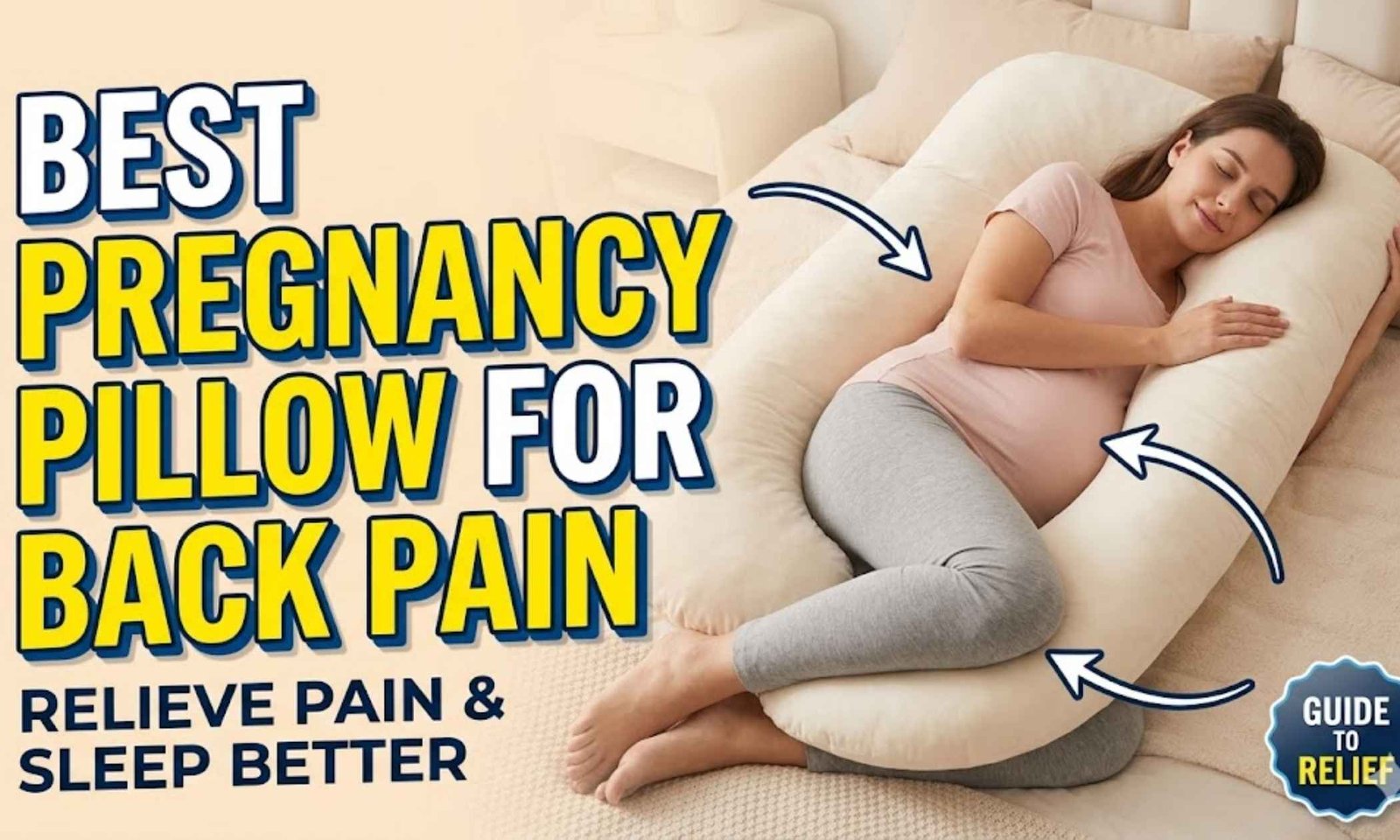
- U-shaped: Offers full 360-degree body support, perfect for side sleepers.
- C-shaped: Ideal for targeted back and belly support in smaller beds.
- Wedge: Compact triangular support for the lower back or under the bump.
- Full-body: Straight, elongated designs for hugging and leg alignment.
Key Materials for Eco-Conscious Mothers
Natural fillings impact both breathability and support levels:
- Organic Cotton: Exceptionally soft and highly breathable.
- Natural Latex: Offers a firm bounce, ideal for correcting sleep posture.
- Bamboo Fabric: Naturally moisture-wicking to keep you cool during night sweats.
- Wool Fill: A natural temperature regulator that stays cool in summer and warm in winter.
Health Impacts: Organic vs. Synthetic Pillows
Conventional synthetic pillows often contain flame retardants and VOCs (Volatile Organic Compounds), which are linked to respiratory irritation and hormonal disruption. For a pregnant woman, minimizing chemical exposure is crucial for both maternal and fetal health. Organic pillows provide a toxin-free sanctuary for rest.
Maintenance and Longevity Tips
Caring for organic fibers requires a gentle touch. Most organic pillows feature removable, washable covers. Use a fragrance-free, mild detergent and air dry in direct sunlight to maintain the natural integrity of the cotton or bamboo fibers. With proper care, these pillows can easily last through multiple pregnancies.
Frequently Asked Questions
What is the difference between organic and hypoallergenic?
Organic refers to how the material was grown (chemical-free), while hypoallergenic refers to how the fabric reacts with your body (allergen-resistant). Premium PlayTots pillows usually combine both.
Do organic pregnancy pillows help with sinus relief?
Absolutely. Their dust-mite-resistant properties minimize nighttime sneezing and congestion, which is often heightened by pregnancy hormones.
Can I use an organic pillow after delivery?
Yes! They are excellent for chemical-free nursing support and provide a safe, soft surface for skin-to-skin contact with your newborn.
Conclusion
Organic and hypoallergenic pregnancy pillows are a wise investment for any mother seeking peace of mind. They support not only a restful night but also a cleaner, greener planet. If you prioritize toxin-free comfort and long-term durability, these pillows are more than worth the investment.