Do I Need a Pregnancy Pillow? 7 Honest Signs Your Body Is Asking for One
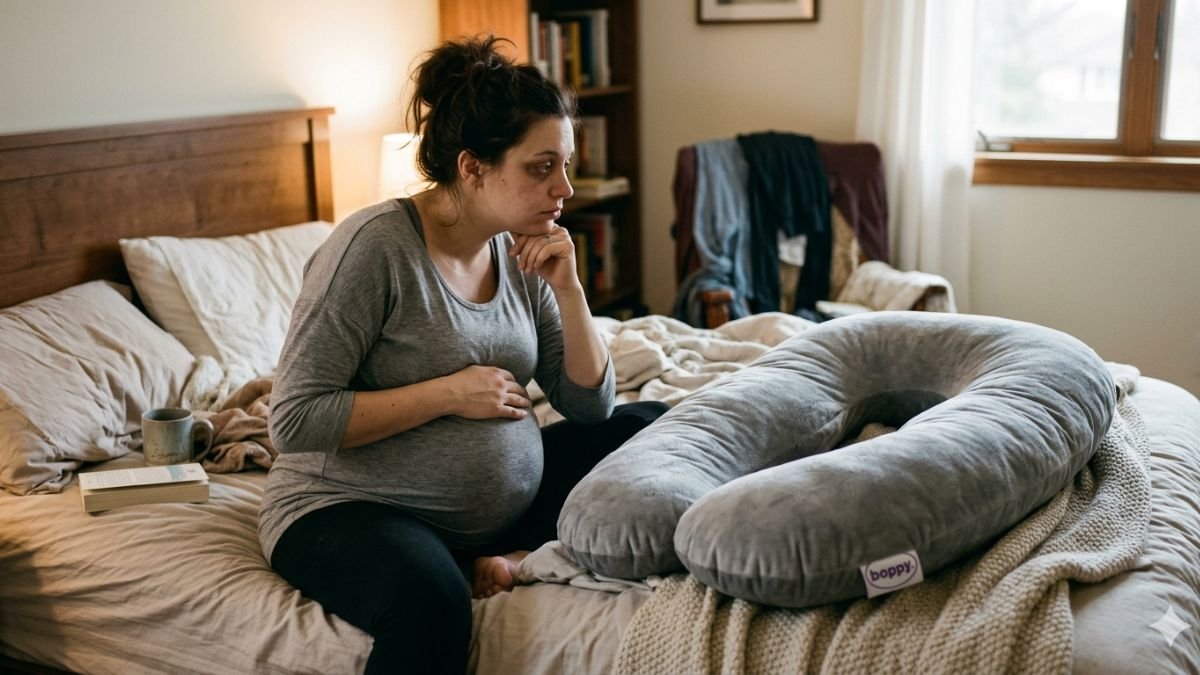
Do I need a pregnancy pillow? This is the question most women ask themselves somewhere between week 16 and week 22.
You have heard about pregnancy pillows. Maybe someone mentioned one. Maybe you saw one online. And now you are wondering whether this is a product you genuinely need, or whether it is one of those things the pregnancy industry sells to nervous first-time mothers who will buy anything with the word maternity on it.
That scepticism is healthy. There are plenty of unnecessary pregnancy products. A pregnancy pillow is not in that category.
But instead of just telling you it is worth buying, which is what every product guide says, this guide is going to walk through seven specific situations and ask you honestly whether your sleep matches any of them. If it does not match any of them, your sleep is probably fine right now and you can wait. If it matches one or two, you would likely benefit from one. If it matches three or more, your body has already been asking for this for a while and the answer to do I need a pregnancy pillow is yes.
Before the Seven Reasons: The Honest Starting Point
You do not need a pregnancy pillow if your sleep is not being meaningfully disrupted by physical discomfort.
That is the honest baseline. If you are sleeping well, waking up without pain, not rebuilding pillow arrangements in the dark at 2 a.m., and feeling rested in the mornings, you do not need one right now. The purpose of a pregnancy pillow is to solve a problem. If the problem does not currently exist, there is nothing to solve.
What changes this is that the problem tends to arrive gradually and then suddenly feel significant. One week things are fine. Two weeks later you are waking up twice a night and your back is tight every morning. Starting earlier prevents that. But it is not obligatory. Read the seven reasons below. Be honest about which ones apply. Use that honesty to decide.
Reason 1: Your Lower Back Aches Every Morning
If you wake up with lower back tightness that takes ten to twenty minutes to ease after getting out of bed, your spine is not resting properly during sleep.
This is the most common signal. The lower back ache that greets you every morning is not random. It has a direct cause.
When you sleep on your side without proper support, your belly pulls forward and downward. The lower back muscles tighten to resist that pull. They do this all night without you knowing. By morning those muscles are fatigued from hours of work during what was supposed to be rest.
A pregnancy pillow with the front arm properly positioned underneath the belly removes that pull entirely. The belly weight rests on the pillow instead of pulling on the lower back. The muscles get the signal that they can stop working. They release. You wake up and the tightness that used to greet you every morning is noticeably less.
If this is happening to you regularly, not just on bad days but most mornings, that is reason one.
Reason 2: Your Hip Wakes You Up During the Night
If hip pain is waking you up during the night or if your hip aches significantly when you get out of bed, your hip alignment during sleep needs addressing.
Hip pain during pregnancy sleep comes from two things happening at the same time. The hip that is pressed into the mattress takes your full body weight for hours. That concentrated pressure builds slowly and becomes significant enough to wake you up after two or three hours. The top hip rotates forward when nothing is supporting the top knee. That rotation creates sustained tension through the hip joint and outer hip muscles. After several hours that tension is painful enough to interrupt sleep.
A pregnancy pillow addresses both. The overall body alignment improvement reduces concentrated pressure on the bottom hip. The knee support at knee level keeps the top knee elevated so the hip stays stacked and the rotation does not happen. Women who use pregnancy pillows specifically for hip pain typically notice improvement within three to five nights.
According to the Sleep Foundation, pregnancy pillows help align the spine and reduce hip pressure, making them one of the most effective tools for managing pregnancy hip pain during sleep.
If hip pain is waking you up during the night or making your mornings start with a deep hip ache, that is reason two.
Reason 3: You Keep Waking Up on Your Back
If you keep waking up on your back during the night, especially from the second trimester onward, a pregnancy pillow helps prevent this passively without any conscious effort from you.
Doctors recommend avoiding back sleeping from the second trimester onward. Back sleeping puts pressure on the inferior vena cava, the large vein running along your spine that carries blood back to your heart. This pressure reduces circulation and can affect blood flow to the baby.
If you were a back sleeper before pregnancy, the transition to side sleeping is not just a preference change. Your body has years of back-sleeping muscle memory. During deep sleep, your body will attempt to return to its habitual position. You roll onto your back without knowing.
A U-shaped pregnancy pillow has a back arm that creates a physical barrier. Rolling onto your back means pushing past the back arm. This does not happen easily during sleep. If you are consistently waking up on your back and feeling anxious about it, a pregnancy pillow removes the problem rather than requiring you to consciously maintain a position you cannot control while asleep.
That is reason three.
Reason 4: You Are Rebuilding Pillows in the Dark Every Night
If you are waking up during the night to rearrange regular pillows that have drifted out of position, you are already experiencing exactly the problem a pregnancy pillow solves.
Most women try the multi-pillow approach before buying a pregnancy pillow. One behind the back. One under the belly. One between the knees. It feels like a solution.
Then you shift slightly in your sleep. The pillow behind your back is on the floor. The one under your belly is doing nothing. You are awake at 2 a.m. rebuilding the whole setup in the dark. This is not a personal failure. This is the wrong tool for the job.
Regular pillows are rectangles. They slide. They bunch. They fall. No arrangement of regular pillows stays in place around a pregnant body through a full night. A pregnancy pillow is one connected piece. When you move, it goes with you instead of away from you. The support that was there when you fell asleep is still there at 3 a.m. and when your alarm goes off.
If you are already doing the midnight pillow reconstruction once per night, twice per night, more, that is reason four. And it is one of the clearest signs that the tool you have is simply not designed for the job you need it to do.
Reason 5: You Have Shooting Pain Down Your Leg at Night
If you are waking up with a shooting or burning pain from your lower back down through your buttock and into your leg, you have pregnancy sciatica. This is directly and effectively addressed by a correctly positioned pregnancy pillow.
Pregnancy sciatica is one of the more dramatic sleep disruptions of the second and third trimester. The shooting pain is sharp and specific enough that the first time it happens it is genuinely frightening.
The cause is mechanical and directly addressable. When you sleep on your side without knee support, your top knee drops forward. That dropped knee rotates the hip forward. That hip rotation compresses the piriformis muscle in the buttock. The sciatic nerve runs beneath the piriformis. Compressed piriformis means compressed sciatic nerve. The shooting pain is the result.
Keeping the top knee elevated at knee level prevents the hip rotation. Preventing the rotation removes the piriformis compression. Removing the compression gives the sciatic nerve space. The shooting pain stops happening. Most women with pregnancy sciatica who correctly position a firm pregnancy pillow at knee level notice meaningful improvement within three to five nights.
If you are having shooting leg pain that wakes you up at night, that is reason five. Addressing it sooner is better because sciatica that goes unaddressed becomes more sensitised over time.
Reason 6: Rolling Over Has Become a Big Effort
If changing sides during sleep has gone from an unconscious reflex to something that requires planning and effort, and sometimes wakes you up completely, a pregnancy pillow makes the transition significantly easier.
Before pregnancy you rolled over without thinking. It happened during deep sleep without any conscious involvement.
During pregnancy, rolling over changes. The belly has weight and momentum. You cannot just roll. You have to manage the belly, manage your balance, figure out where everything lands. It takes effort. It sometimes hurts. It wakes you up enough that falling back asleep takes time. And then whatever pillow arrangement you had on the original side is now behind you, useless, requiring rebuilding on the new side.
A U-shaped pregnancy pillow changes this. When you roll over inside a U-shaped pillow, the support is already there on the other side. You roll and you settle back in without fully waking. The support transferred automatically. You did not have to pick up anything or rearrange anything.
If rolling over has become a significant effort that disrupts your sleep, that is reason six.
Reason 7: You Are Exhausted but Cannot Figure Out Why
If you are sleeping a full eight hours and waking up consistently tired without any obvious single cause, the cumulative effect of inadequate sleep positioning is likely the reason.
This is the least obvious reason on the list, but in some ways the most important one to recognise.
You are going to bed. You are sleeping, or at least lying in bed for eight hours. You should be rested. But you wake up tired. Not just occasionally. Consistently.
This happens because sleep quality is not just about hours. It is about depth. And depth is determined by how much your body can fully relax during those hours. When you sleep without proper support, your muscles do not fully release. Your lower back muscles are holding the spine in position. Your hip muscles are bracing against the rotation. Your core is managing the belly weight. None of this is dramatic. It is quiet, sustained, low-level muscular work that prevents your sleep from reaching the deeper restorative stages.
You are technically sleeping. Your body is technically working. The sleep meter says eight hours. The rest meter says not enough.
Women who switch from regular pillows to a pregnancy pillow often describe the improvement this way: the total hours did not change much, but they started feeling genuinely rested in a way they had stopped expecting.
If you cannot identify why you are tired despite sleeping enough hours, and if it has been getting progressively worse over the past few weeks, this diffuse muscular compensation during sleep is likely the cause. That is reason seven.
The Honest Summary: Do I Actually Need a Pregnancy Pillow?
Count how many of the seven reasons apply to your current situation. Be honest.
- Zero match. Your sleep is probably okay for now. Revisit in a few weeks as the pregnancy progresses. The needs tend to increase faster than expected.
- One or two match. You would likely benefit from one. The problem is present but manageable. A pregnancy pillow will make the manageable problem noticeably better and prevent it from becoming significant.
- Three or more match. Your body has been signalling the need for better sleep support for a while. The answer is yes. The question at this point is not whether to buy one but which type suits your situation.
Which Type to Buy Based on Your Reasons
Different reasons point toward different pillow types.
- Reasons 1, 2, and 5 (lower back pain, hip pain, sciatica): A U-shaped pillow with firm fill addresses all three at the same time from both sides.
- Reason 3 (rolling onto your back): A U-shaped pillow is specifically what you need. The back arm creates the passive barrier that prevents back rolling.
- Reason 4 (pillow arrangements collapsing): Any proper pregnancy pillow solves this. A U-shaped pillow solves it most completely because both sides are supported and there is nothing to reposition when you roll over.
- Reason 6 (difficulty rolling over): A U-shaped pillow lets you roll over without repositioning anything.
- Reason 7 (general unexplained tiredness): A U-shaped pillow that addresses all the subtle muscular compensation work at once is the most comprehensive solution.
If bed space is limited and a U-shape is impractical, a C-shaped pillow addresses most of these reasons adequately for one-side sleepers. Add a wedge behind the lower back for reason one and a wedge between the knees at knee level for reasons two and five.
Why the PlayTots U-Shaped Pregnancy Pillow Addresses All Seven Reasons
The PlayTots U-Shaped Pregnancy Pillow is designed for exactly the situations described in all seven reasons above.
Firm microfiber fill that maintains belly support and back support through the night without compressing flat. A back arm that creates the passive barrier against back rolling. Lower sections at the right dimensions for knee-level positioning. A removable cotton cover that stays cool in Indian conditions.
Available in four colours so you can choose what looks right in your room: blue, grey, green, and purple. Free shipping across India and a 7-day easy return policy if it does not feel right for you.
Final Thoughts
You do not need a pregnancy pillow just because you are pregnant. You need one when pregnancy is disrupting your sleep in the specific ways described above. When your back hurts every morning. When your hip wakes you up at night. When you keep ending up on your back. When you are rebuilding pillows in the dark. When shooting pain is waking you up. When rolling over has become an ordeal. When you are exhausted and cannot figure out why.
Those are not complaints to push through. They are mechanical problems with practical solutions. Count your reasons. Be honest about how many apply. Then decide.
Frequently Asked Questions
Is a pregnancy pillow really necessary or is it just a nice-to-have?
It depends on your specific situation. If sleep is being disrupted by physical discomfort like back pain, hip pain, shooting leg pain, rolling onto the back, or waking to reposition pillows, a pregnancy pillow addresses these problems directly and the improvement is real. If sleep is currently unaffected by physical discomfort, it is genuinely optional right now. Use the seven reasons in this guide to assess honestly.
When in pregnancy do most women start needing a pregnancy pillow?
Most women start between weeks 14 and 20. This is when the belly becomes large enough to affect sleep positioning and when the lower back and hips begin making themselves known at night. Women with pre-existing back issues or those carrying multiples often start earlier. Start when the problems appear, not at a fixed week.
Can I just use regular pillows instead of buying a pregnancy pillow?
Regular pillows can provide some support but they slide, bunch, and fall during the night. The multi-pillow arrangement that feels adequate when you fall asleep rarely stays in place until morning. A pregnancy pillow is one connected piece designed to stay in position. The difference is most noticeable at 2 and 3 a.m. when regular pillows have drifted and a pregnancy pillow has not moved.
I only have one or two of the seven reasons. Is that enough to buy one?
Yes. Even one of these reasons representing a consistent nightly problem means your sleep quality is being affected. The pregnancy pillow does not need to solve seven problems to be worth buying. Solving one significant sleep problem, particularly back pain, hip pain, or sciatica, makes a meaningful difference in daily energy and wellbeing throughout the pregnancy.
Will a pregnancy pillow completely fix my back pain and hip pain?
A correctly positioned pregnancy pillow significantly reduces the nighttime mechanical causes of back pain and hip pain during pregnancy. Most women notice meaningful improvement within three to five nights. It does not address every cause, since daytime activity and the structural changes of pregnancy contribute too. But the nighttime component, which is directly caused by sleep positioning, is effectively addressed.
Is a pregnancy pillow useful after delivery too?
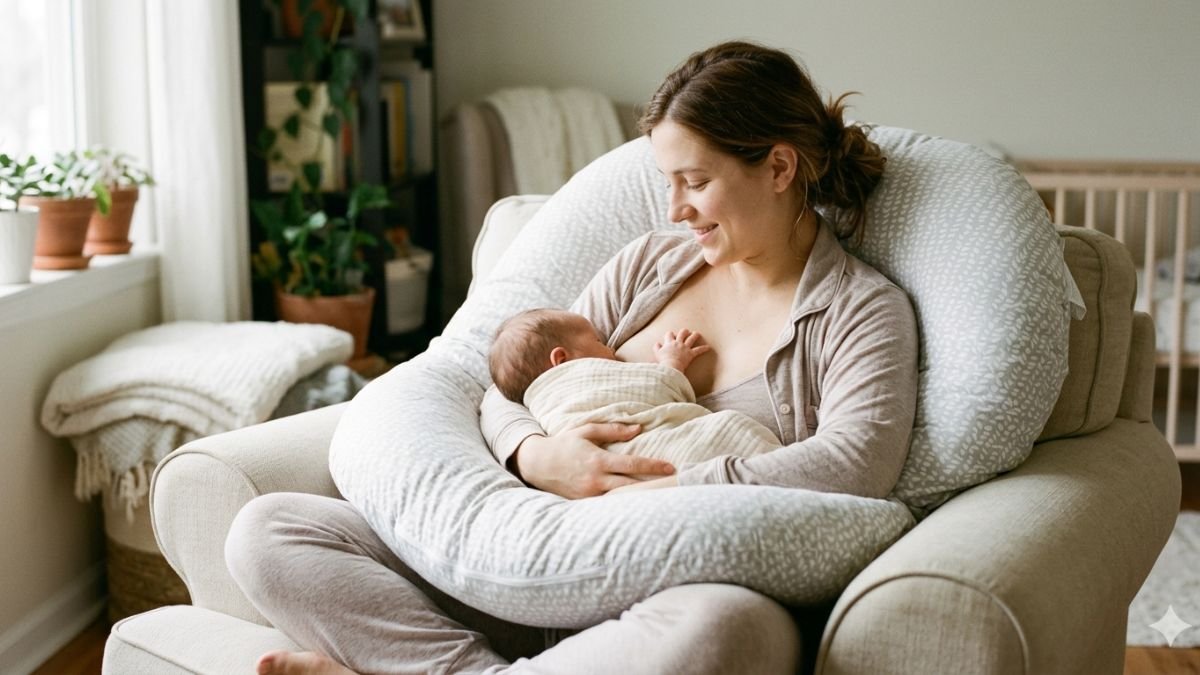
Yes. The relaxin hormone that loosens joints during pregnancy remains in the body for several months after delivery. The same hip and back support the pregnancy pillow provides during pregnancy continues to be relevant during postpartum recovery. Many women also use the pillow for breastfeeding support and for side-lying night feeds in the early weeks. It typically remains genuinely useful for two to four months after delivery.
Shop the PlayTots U-Shaped Pregnancy Pillow Online
If your honest answer to do I need a pregnancy pillow is yes, browse our full range of U-shaped pregnancy pillows online in India at PlayTots India. Free shipping, easy returns, and the kind of comfort your body has been asking for.