Pregnancy Pillow After Birth: 5 Smart Ways to Use It Postpartum
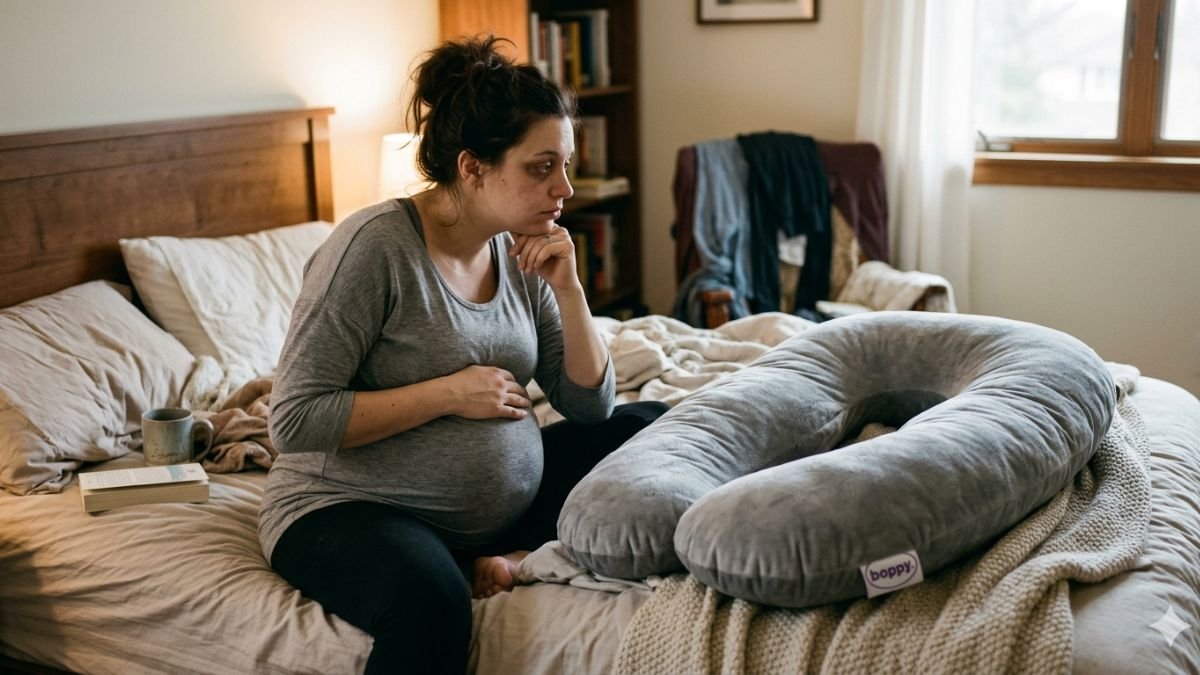
Most women pack away their pregnancy pillow after birth the day they come home from the hospital. That is a mistake.
The same pillow that helped you sleep through the second and third trimester has a second life after delivery. A genuinely useful one. Not in a forced, we-need-to-justify-this-purchase kind of way. In a real, practical, you-will-actually-use-this-every-day kind of way.
The first few weeks after delivery are physically demanding in ways that are easy to underestimate before you are in them. Your body is recovering from childbirth. You are feeding a newborn every two to three hours. You are sleeping in broken stretches. Your back and hips are still adjusting. Your core has no strength yet. All of the reasons the pregnancy pillow after birth helped during pregnancy – support for your back, your hips, your body position – are still relevant. Just in different ways.
Here are five specific postpartum uses that make the pregnancy pillow worth keeping out of the box for the first few months after delivery.
Why Postpartum Support Matters More Than People Expect
The body does not return to normal immediately after delivery. It continues to need the same kind of positional support it needed during pregnancy, sometimes more.
Relaxin, the hormone that loosened your joints during pregnancy, stays in your body for several months after delivery. This means your hips and lower back joints are still less stable than they were before pregnancy. The same hip pain and lower back strain that the pregnancy pillow was addressing during sleep can continue after delivery for exactly this reason.
For women who had a cesarean delivery, getting in and out of bed is genuinely painful for the first two to four weeks. Any setup that reduces the movement required to get comfortable after repositioning helps recovery. For women who had a vaginal delivery with perineal discomfort, certain positions are uncomfortable. Side-lying positions are often more comfortable than sitting. The pregnancy pillow supports side-lying positions during sleep and feeding.
And then there is the reality of newborn care. A newborn feeds eight to twelve times in a twenty-four hour period. Each feed is ten to forty-five minutes. Supporting your body correctly during those feeds – so your arms, back, and neck are not carrying unnecessary strain – matters enormously when it is happening that many times a day.
1. Breastfeeding Support During Daytime Feeds
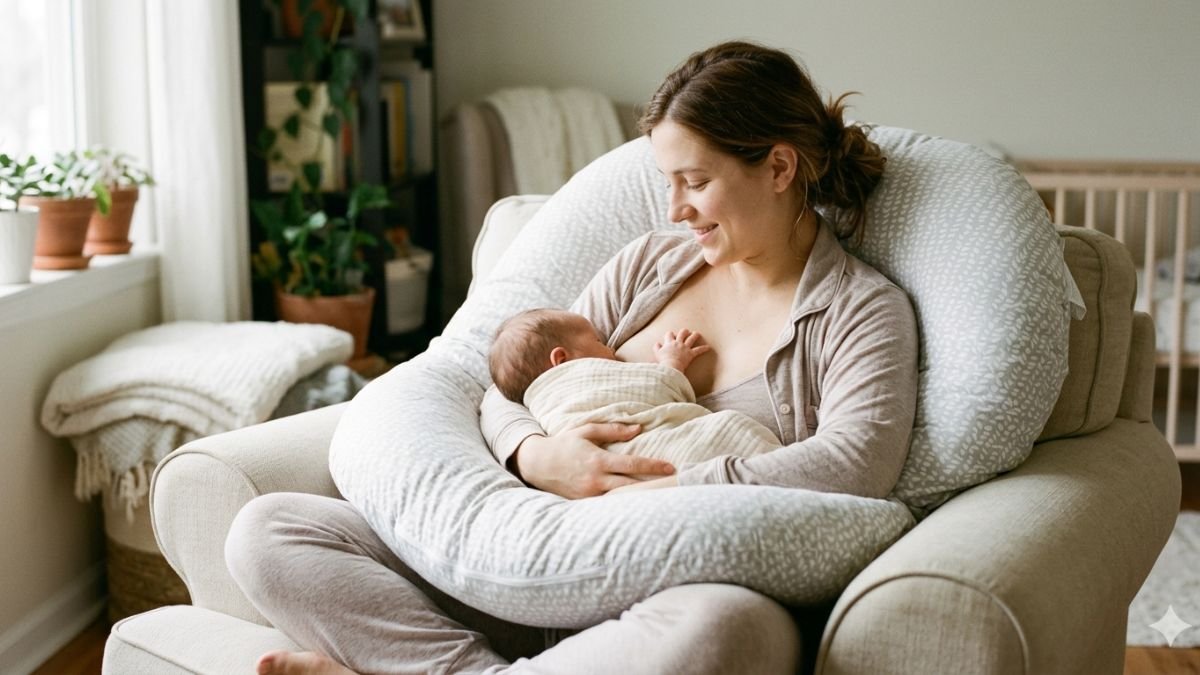
The most common postpartum use for a pregnancy pillow is as a nursing support surface during breastfeeding sessions.
Breastfeeding involves holding a baby at a specific height and angle for an extended period, multiple times a day, for weeks or months. The natural tendency is to bring the baby to the breast, which means hunching forward, dropping the head, rounding the shoulders, and letting the arms take the full weight of the baby.
Twenty minutes in that position once is fine. Eight sessions a day for several weeks creates a very specific pattern of neck pain, upper back tightness, shoulder strain, and lower back ache that most breastfeeding mothers recognise within the first two weeks. This is not an inevitable part of breastfeeding. It is a positioning problem. A pregnancy pillow solves a large part of it.
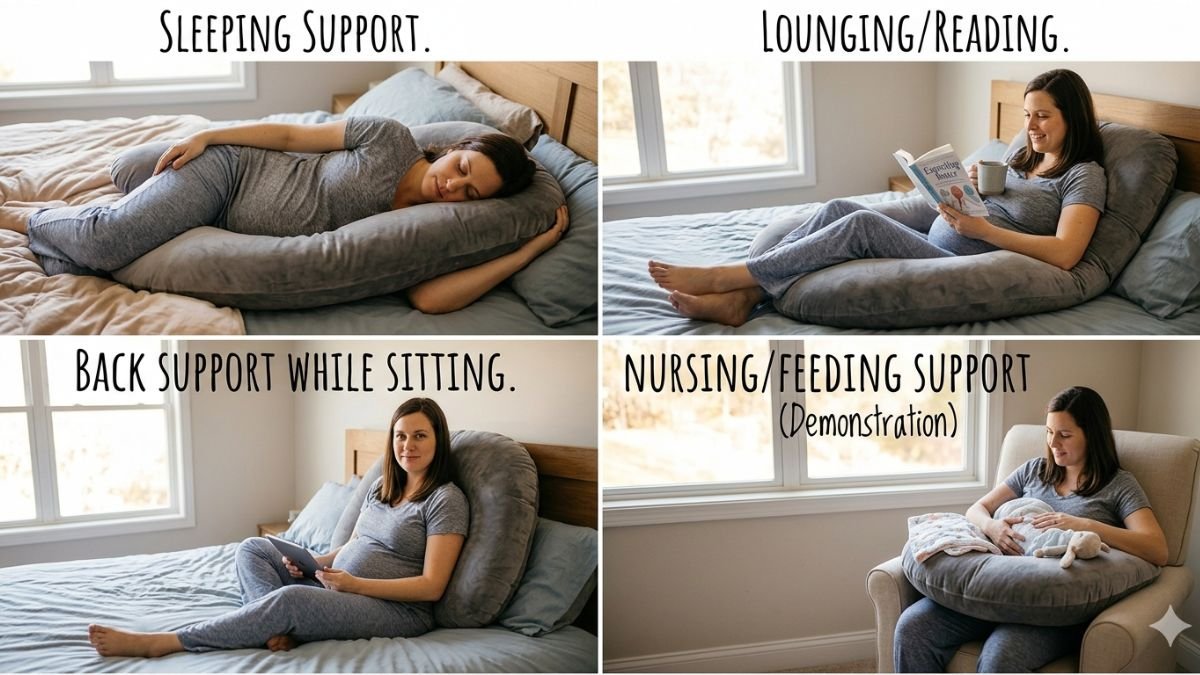
Sit upright with the U-shaped pillow around your front. The two arms of the U wrap around your sides and meet in front of your belly. Place the baby on the pillow surface at breast height. The baby’s weight rests on the pillow, not on your arms. Your arms guide and position the baby but do not carry the load.
Your back stays upright because the baby is at the right height. Your shoulders stay neutral. Your neck does not drop forward. The lower back has the back arm of the U-shaped pillow supporting it throughout the session.
The difference – arms guiding versus arms carrying – multiplied across hundreds of feeding sessions over weeks and months, is enormous for how your body feels.
2. Side-Lying Breastfeeding for Night Feeds
The second postpartum use that most women consider the most valuable is side-lying breastfeeding during night feeds, and this is where the pregnancy pillow after birth has no real substitute.
A newborn feeds at night. Multiple times. In the early weeks this can mean every ninety minutes to two hours. If every night feed requires fully sitting up, arranging a feeding setup, feeding for twenty to thirty minutes, settling the baby, and then lying back down and trying to sleep, multiplied by three or four times a night, the total disruption to your sleep is enormous.
Side-lying breastfeeding allows you to feed while both you and the baby are lying down. You do not need to sit up. You do not need to arrange anything. You feed, you rest or doze lightly during the feed, and when the feed is done you settle and go back to sleep. The pregnancy pillow in its normal sleeping configuration supports this directly.
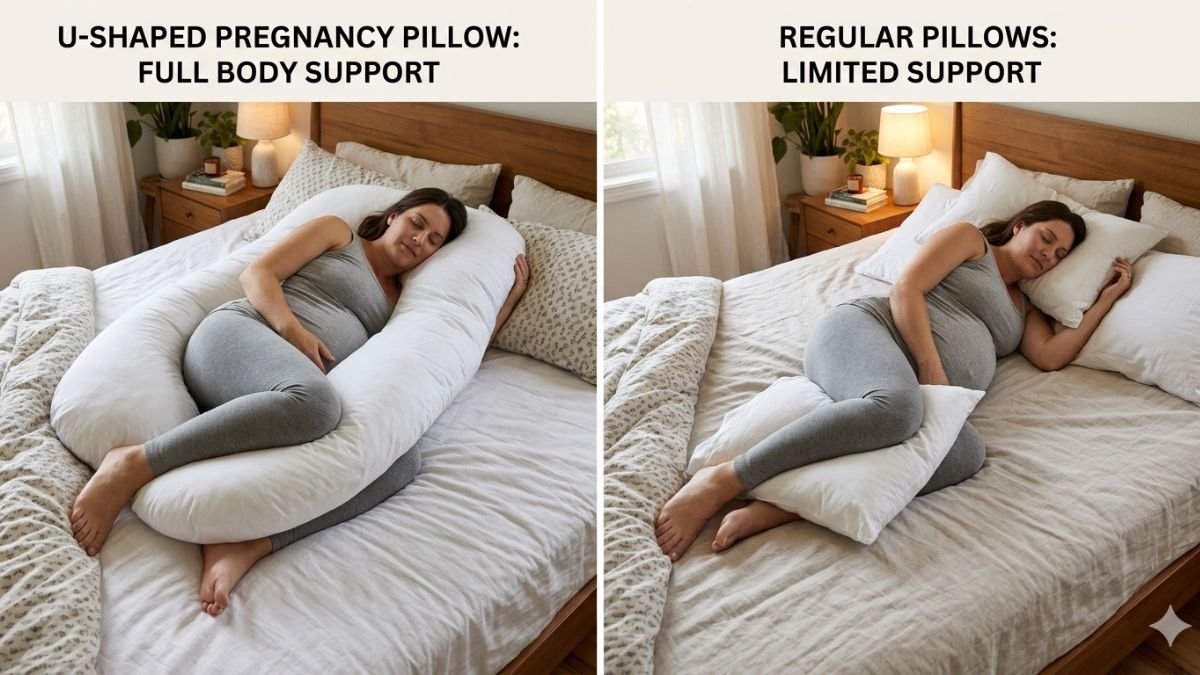
Lie on your side with the U-shaped pillow in the position you used during pregnancy. The back arm of the pillow supports your lower back and stops you from rolling backward during the feed. The front arm supports your belly side. The leg sections support your legs and hips.
Position the baby facing you on the mattress at breast level. You do not need to prop yourself up on your elbow. The pillow is supporting your back and keeping you stable in a fully relaxed side-lying position. For the second, third, and fourth night feeds when you are deeply tired, this is the difference between a feed that costs you forty-five minutes of full wakefulness and a feed that costs you twenty minutes of light wakefulness after which you fall back asleep quickly.
Important safety note: The baby should always be moved to a safe sleep surface after feeding if you are likely to fall fully asleep. Follow safe sleep guidelines for newborns at all times.
3. Back Support During Bottle Feeding
Pregnancy pillows are not only useful for breastfeeding. The same physical principles apply to bottle feeding, and the same postpartum back strain develops if positioning is not supported.
Bottle feeding involves holding the baby in a semi-upright position for the full duration of the feed. The natural tendency is the same as with breastfeeding – to bring the baby up toward you, which means curving forward and letting your arms take the weight. For combination feeding mothers, formula feeding mothers, or partners who are doing feeds, the same back and arm strain that comes from unsupported feeding positions accumulates just as quickly.
Sit with the U-shaped pregnancy pillow around your front. Baby rests on the pillow surface at the right height for feeding. Your back has the back arm of the pillow for lumbar support during the session. Your arms guide the bottle rather than carrying the baby weight.
The lower back fatigue that builds up silently during feeding sessions is largely a positioning problem. The pregnancy pillow is a positioning solution, for breastfeeding and bottle feeding equally. For partners and family members doing feeds, the pregnancy pillow works for them too. Anyone holding and feeding a newborn for extended periods benefits from the same height and back support setup.
4. Postpartum Recovery Sleep Support
The fourth use of a pregnancy pillow after birth is the one most directly carried over from pregnancy: using the pillow for proper sleep support during postpartum recovery.
After delivery your body is still recovering. The hips and lower back that carried the weight of pregnancy and went through the physical process of labour and delivery do not spring back immediately. The relaxin that loosened your joints is still present. The core muscles that support your spine are still recovering their strength.
All of the reasons the pregnancy pillow helped your sleep during pregnancy are still relevant during recovery. The hip alignment. The lower back support. The spine in a neutral position. The top knee elevated so the hips stay stacked.
For cesarean recovery specifically, having a support setup that minimises the movement required to get comfortable after repositioning reduces pain from incision strain during the night. Getting back into a supported position after a bathroom trip without having to physically struggle to arrange pillows is genuinely helpful when your abdomen is healing.
For vaginal delivery recovery, the perineal discomfort that makes sitting painful also affects lying positions. Side-lying with the pregnancy pillow in its normal configuration is often the most comfortable sleep position for the first few weeks.
The postpartum period involves real physical recovery that takes weeks. Protecting your sleep quality during that recovery is not optional. It is part of how your body heals. According to Verywell Family, pregnancy pillows are among the top recommended purchases for expectant mothers precisely because of their continued usefulness in the postpartum period, not just during pregnancy itself.
5. Daytime Rest and Recovery Support
The fifth use is simpler but genuinely valuable – using the pregnancy pillow for supported rest positions during the day, not just at night.
The first few weeks after delivery involve a lot of time in bed or on a sofa. Feeding. Resting. Recovering. These periods of rest are most comfortable and most restorative when your body is properly supported rather than propped in awkward positions against the back of a sofa or lying flat in a way that strains the lower back.
A U-shaped pregnancy pillow positioned around you while you rest during the day provides the same lumbar support and body alignment that it provided during pregnancy sleep. This is particularly helpful during the long feeding sessions that happen throughout the day when you are sitting in bed or on a sofa for extended periods.
For the back pain that continues after delivery, which is common because the structural changes of pregnancy do not reverse overnight, having consistent body support during both day rest and night sleep reduces the load on the lower back during the recovery period.
The baby blues and emotional intensity of the early postpartum weeks are also genuinely helped by physical comfort. When your body is not in pain and not strained, the mental and emotional weight of the early weeks is slightly easier to manage.
How Long Should You Keep Using a Pregnancy Pillow After Birth?
Use it for as long as it helps. There is no set point at which it stops being useful.
Most women find the pregnancy pillow genuinely valuable for the first two to three months after delivery. The breastfeeding use in particular tends to continue as long as breastfeeding continues. The sleep support use tends to reduce as the body fully recovers and sleep positions become less restricted by physical discomfort.
Some women keep using the pillow for six months or longer. Others find they no longer need it after eight weeks. Both are completely normal. The pillow does not have an expiration date. Use it until it stops adding value.
Practical Tips for Postpartum Pregnancy Pillow Use
- Have the pillow set up before feeds, especially at night. At 2 in the morning with a crying newborn, the last thing you want is to arrange a large pillow before you can start feeding. Keep it set up in its feeding or sleeping configuration so it is ready when you need it.
- Check the cover regularly. Breastfeeding involves milk. Milk involves spills. The cover will need washing more frequently in the early postpartum weeks than it did during pregnancy. Having a spare cover means the pillow is always available even when one cover is being washed.
- Adjust height for feeding. What worked as a sleeping position during pregnancy may need slight adjustment for an upright feeding position. Take a few minutes in the first couple of feeding sessions to find the height and angle where the baby reaches the breast comfortably with you sitting upright.
- Do not put it away too early. The most common mistake is packing it away in the first week when things feel chaotic and the initial intensity of the newborn period is overwhelming. The pillow is most useful during exactly that period. Keep it out and accessible for at least the first two months.
Why the PlayTots U-Shaped Pillow Works as a Pregnancy Pillow After Birth
If you used a U-shaped pregnancy pillow during your pregnancy, you already have everything you need for all five of these postpartum uses.
The PlayTots U-Shaped Pregnancy Pillow transitions directly from pregnancy use to postpartum use without any modification needed. The same microfiber fill that supported the belly and back during sleep supports the feeding position and recovery sleep after delivery. The removable cotton cover continues to be easy to wash during the early postpartum weeks when the cover needs cleaning more frequently due to feeding spills.
Available in four colours to suit your bedroom: blue, grey, green, and purple. Free shipping across India and a 7-day easy return policy if it does not feel right for you.
The Bottom Line
The pregnancy pillow earns its value twice – once during pregnancy and once after it. The investment you made in a quality pregnancy pillow does not end when the baby arrives. It transitions. The breastfeeding support alone across hundreds of feeding sessions in the early months justifies keeping the pillow out and in use rather than packing it away on day one.
Keep it out. Use it. Let it do its second job as well as it did its first.
Frequently Asked Questions
Can I use my pregnancy pillow for breastfeeding after delivery?
Yes. A U-shaped pregnancy pillow works very well as a breastfeeding support surface. The baby rests on the pillow at breast height and the pillow takes the baby’s weight so your arms are guiding rather than carrying. This significantly reduces arm, shoulder, neck, and back strain across multiple daily feeding sessions.
How long should I keep using my pregnancy pillow after birth?
For as long as it helps. Most women find it genuinely useful for two to three months postpartum. The breastfeeding use tends to continue as long as breastfeeding does. The recovery sleep support tends to reduce as the body heals and sleep positions become less physically restricted.
Can I use my pregnancy pillow for side-lying breastfeeding at night?
Yes. Lie on your side with the pillow in its normal sleeping configuration. The back arm stabilises your position. The baby lies on the mattress facing you at breast level. This setup allows you to feed without fully sitting up, which significantly reduces the total wakefulness time for each night feed. Always follow safe sleep guidelines for newborns after feeding.
My back still hurts after delivery. Will the pregnancy pillow still help?
Yes. Postpartum back pain is very common because the relaxin hormone and the structural changes of pregnancy do not reverse immediately after delivery. The same hip alignment and spine support the pregnancy pillow provided during sleep continues to be relevant and helpful during postpartum recovery sleep.
Is the pregnancy pillow useful after a cesarean delivery?
Yes, particularly so. After a cesarean, getting in and out of bed is painful for the first two to four weeks. Having a support setup that minimises the movement required to get comfortable after repositioning during the night reduces strain on the healing incision. The pregnancy pillow also supports side-lying positions which are often the most comfortable sleep position during cesarean recovery.
Is the PlayTots pregnancy pillow suitable for postpartum use?
Yes. The PlayTots U-Shaped Pregnancy Pillow transitions directly from pregnancy use to postpartum use. The microfiber fill provides feeding support and recovery sleep support equally well. The removable cotton cover is machine washable, which is important during early postpartum weeks when the cover needs cleaning more frequently. Available online at PlayTots India with free shipping and easy returns.
Shop the PlayTots U-Shaped Pregnancy Pillow Online
Looking for a pregnancy pillow after birth that you can actually keep using? Browse our full range of U-shaped pregnancy pillows online in India at PlayTots India. Free shipping, easy returns, and the kind of comfort that supports you through pregnancy, delivery, and the months that follow.